

What Led to the Development of the GR-DAT, an Extreme, Motorsport-inspired Automatic Transmission? [Part 1]
A Bold Challenge by AISIN, the Development Partner, and a Path toward the Next-generation Sport AT
Jun.24, 2026
![What Led to the Development of the GR-DAT, an Extreme, Motorsport-inspired Automatic Transmission? [Part 1]](/en/aithink/assets_c/2026/06/dc59393a0dc886f461d1d47bdad5def1-thumb-1300x645-11754.png)

The GR-DAT, an 8-speed automatic transmission (“AT”) installed in the GR Yaris and GR Corolla, has attracted public attention because its performance is on pace with a manual transmission (“MT”). How was the ultra-fast shift speed achieved? This article covers the history of AISIN, which was tasked with the development, and uncovers the technology honed in extreme motorsport conditions.
Off to AISIN’s Anjo Area, the home of shifting technology
The GR Yaris, which debuted in 2020, has been continuously improved after its official launch. R&D has been conducted under extreme conditions, including motorsport. Its evolved version, which was released in 2024, fully reflects these improvements.
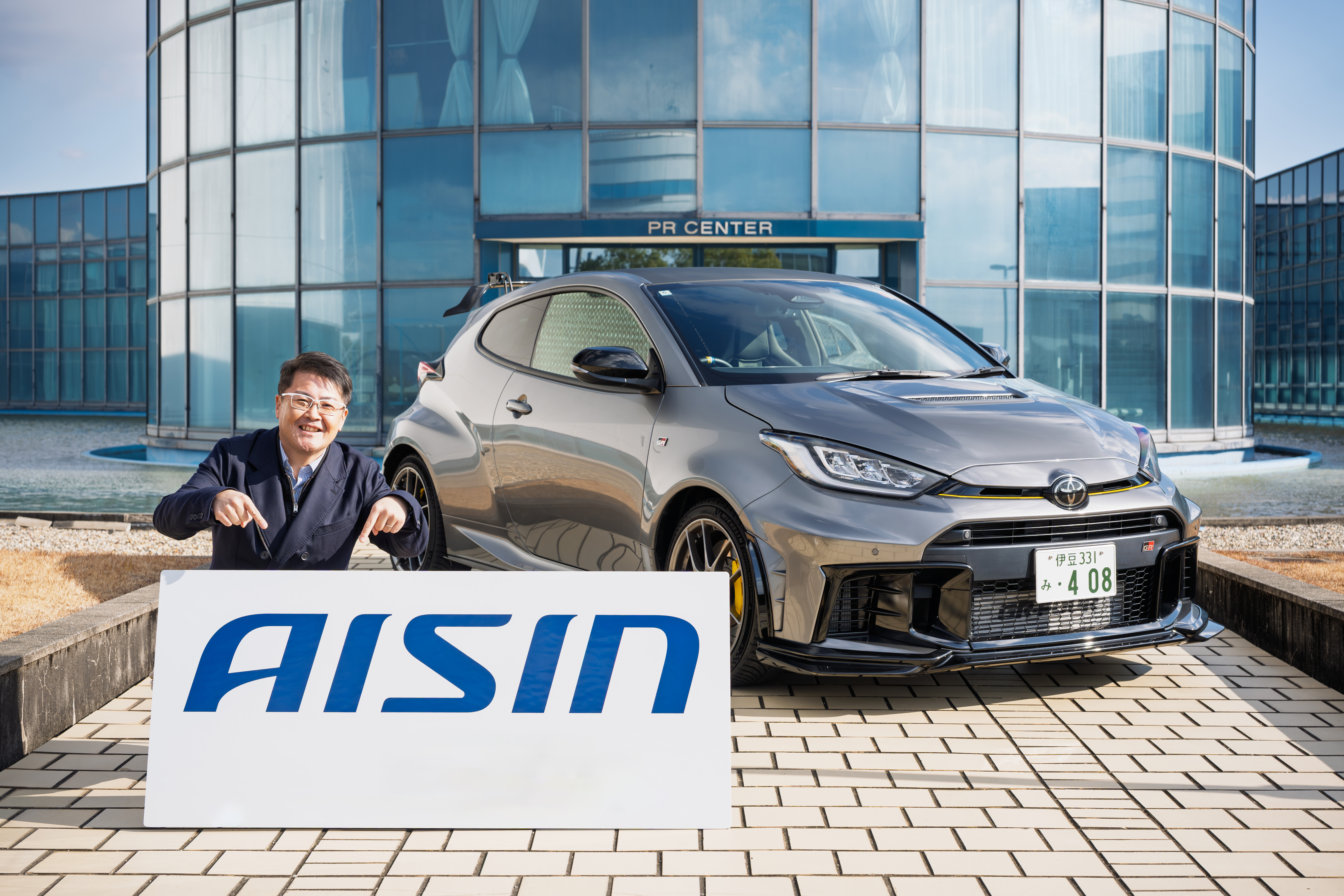
The GR-DAT was developed based on a proposal by Toyota Chairman Akio Toyoda. This two-pedal transmission makes sporty driving more accessible. The author drove the GR Yaris, his well-loved car, to AISIN, which oversaw the development.
The changes were as extensive as those of a full redesign. The biggest change was introduction of the GR direct shift 8-speed AT (GR-DAT), which was developed to deliver an AT that stands toe-to-toe with an MT.
The development reportedly started based on a proposal by Akio Toyoda, who is also known as Morizo: “Why not explore the possibilities of a two-pedal transmission to make motorsport more accessible?”
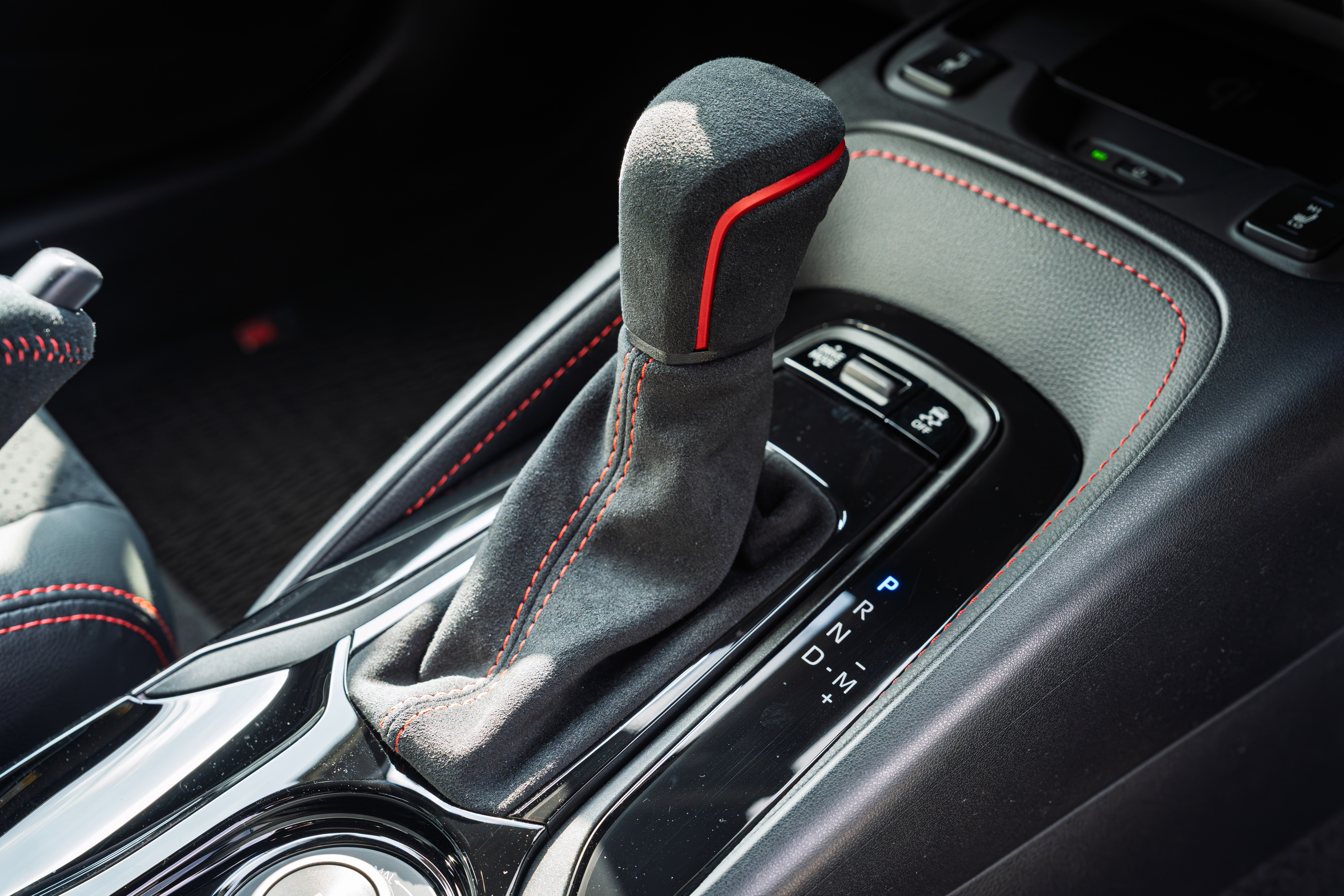
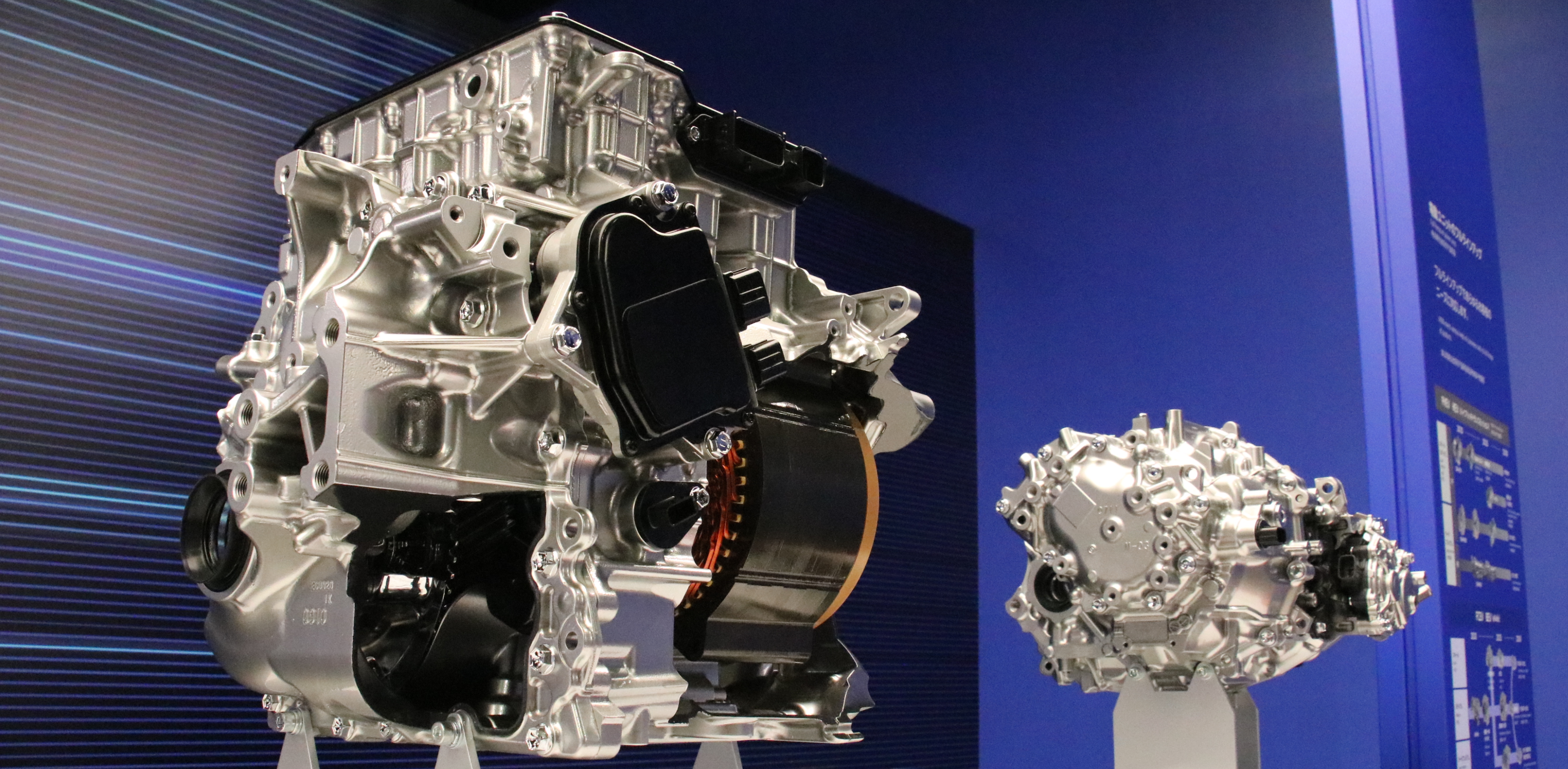
The newly developed 8-speed GR-DAT, which is the key feature of the evolved GR Yaris, is an engineering marvel refined in motorsport.
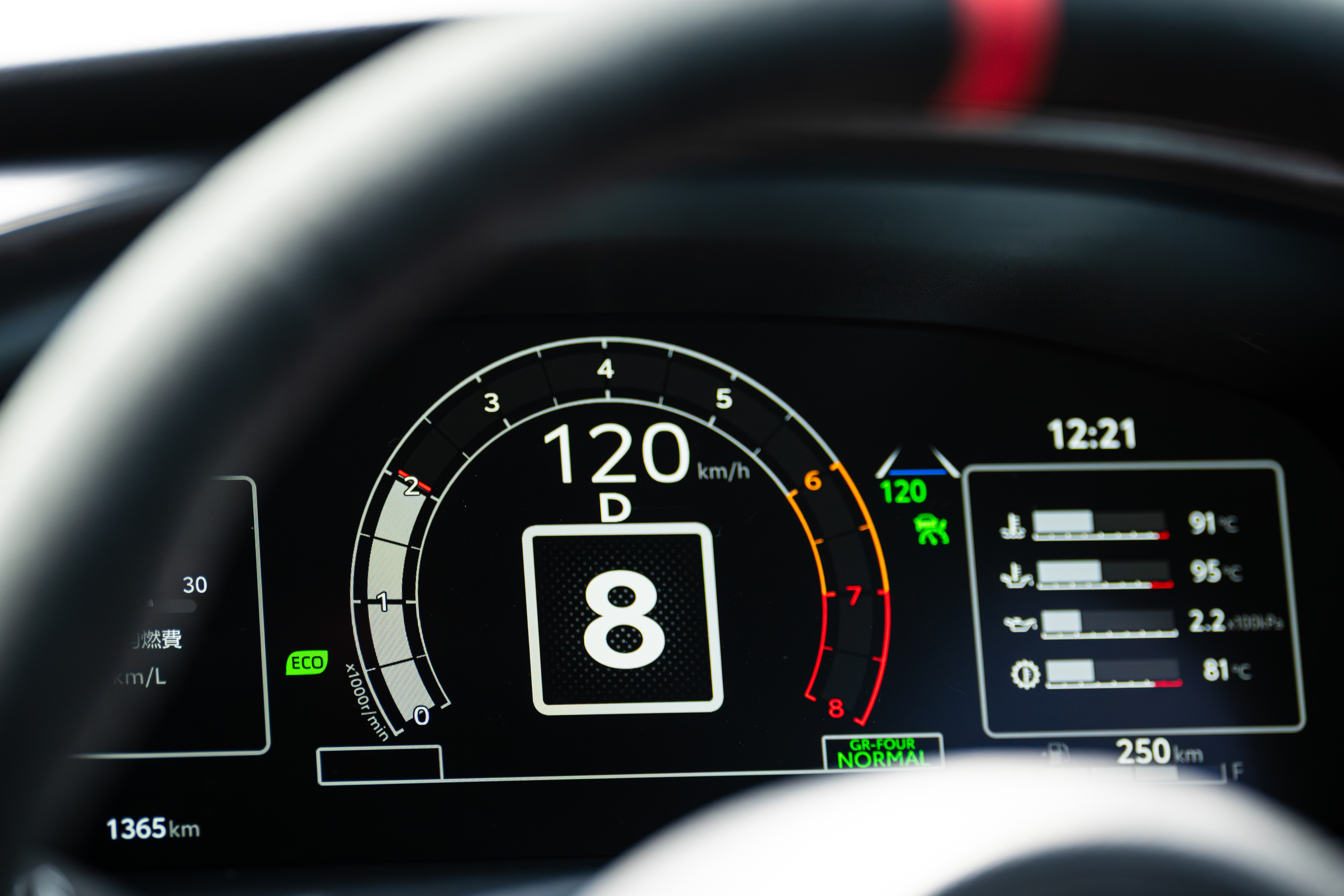
The gear ratios, optimized for sporty driving, enable continuous acceleration without dropping out of the power band.
Impressed by the concept and actual performance, I switched from the MT model (Type 20). The GR-DAT is developed by the GR Company and AISIN and is supplied by AISIN.
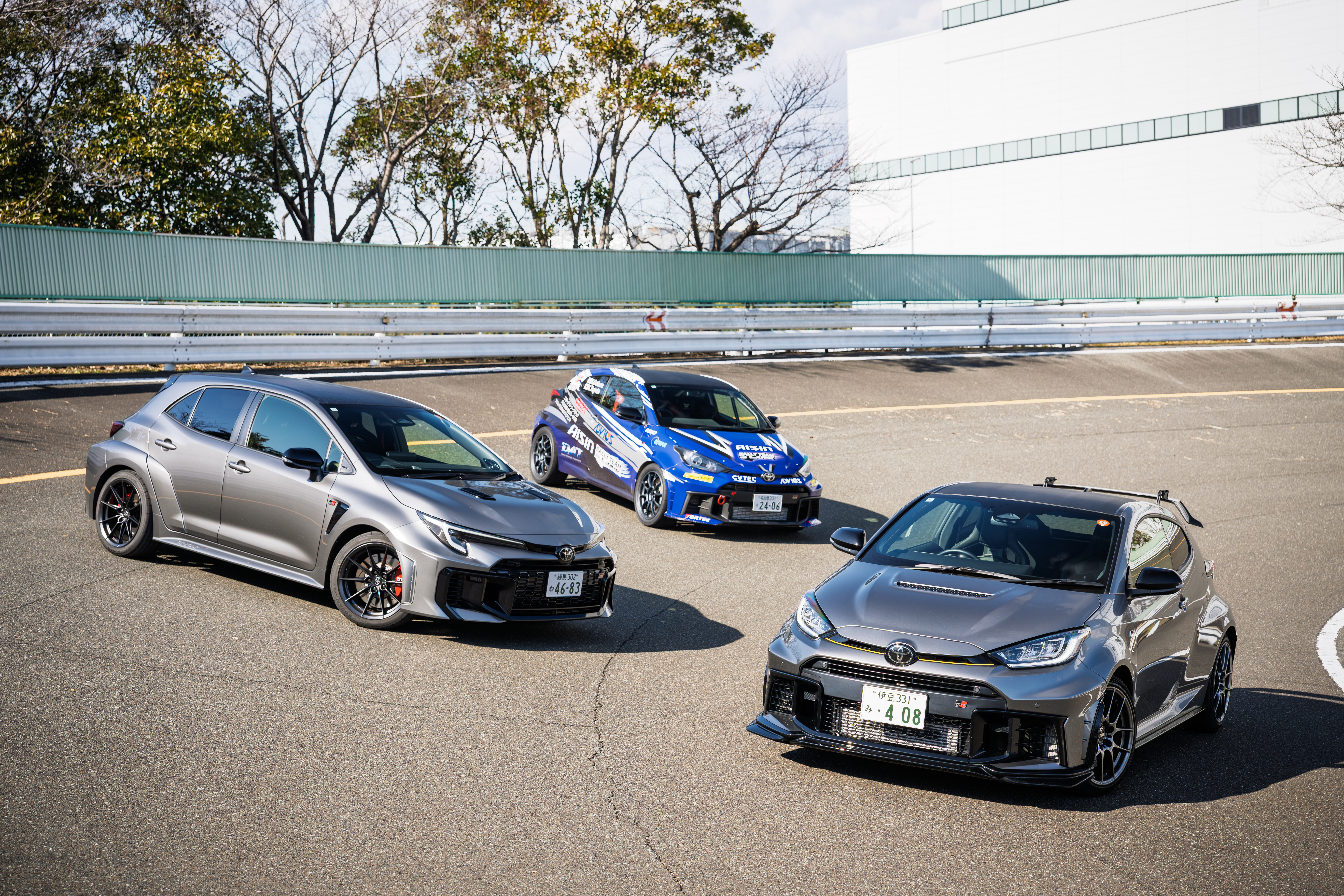
During the visit, the author also took photos at the test course in AISIN’s Anjo Area. From front to back: the GR Yaris with the GR-DAT, his well-loved car; the GR Corolla with the GR-DAT; a rally car used by AISIN in the Japanese Rally Championship
As a user, I feel the responsiveness of the GR-DAT in everyday driving. Motivated by the desired to dig into the story behind the development, I drove to AISIN’s Anjo Area (Anjo City, Aichi Prefecture), the home of shifting technology.
First, let’s trace the history of AISIN’s ATs which led to the GR-DAT.
Dawn of ATs ushered in with a pencil and unwavering commitment
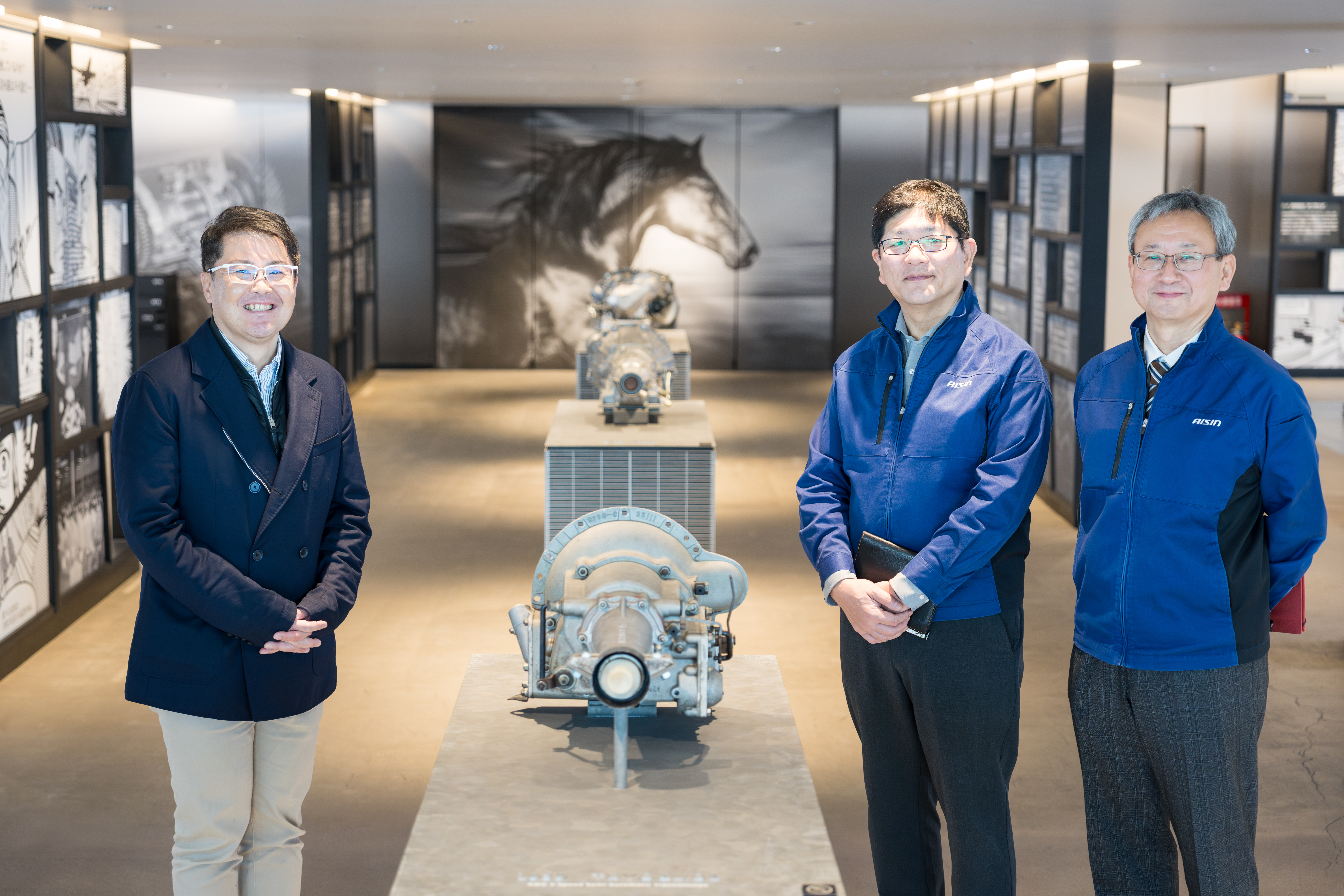
Here, let’s review AISIN’s history at the museum adjacent to the AISIN Anjo Plant. Two AISIN employees walked the author through the facility: Mr. Hiroshi Kato, Project General Manager of Advanced Development Dept. 2, Product Development Center R&D Division, (second from the right in the photo), and Mr. Katsuyuki Tanahashi (rightmost in the photo), General Manager, External Affairs Section, Corporate Planning Department.
AISIN has a long history. It originated from AISIN Seiki, a comprehensive automotive parts manufacturer formed through the merger of Aichi Kogyo and Shinkawa Kogyo in 1965.
Aichi Kogyo started production of ATs with the production transfer of the Toyoglide, Japan’s first torque-converter AT, from Toyota.
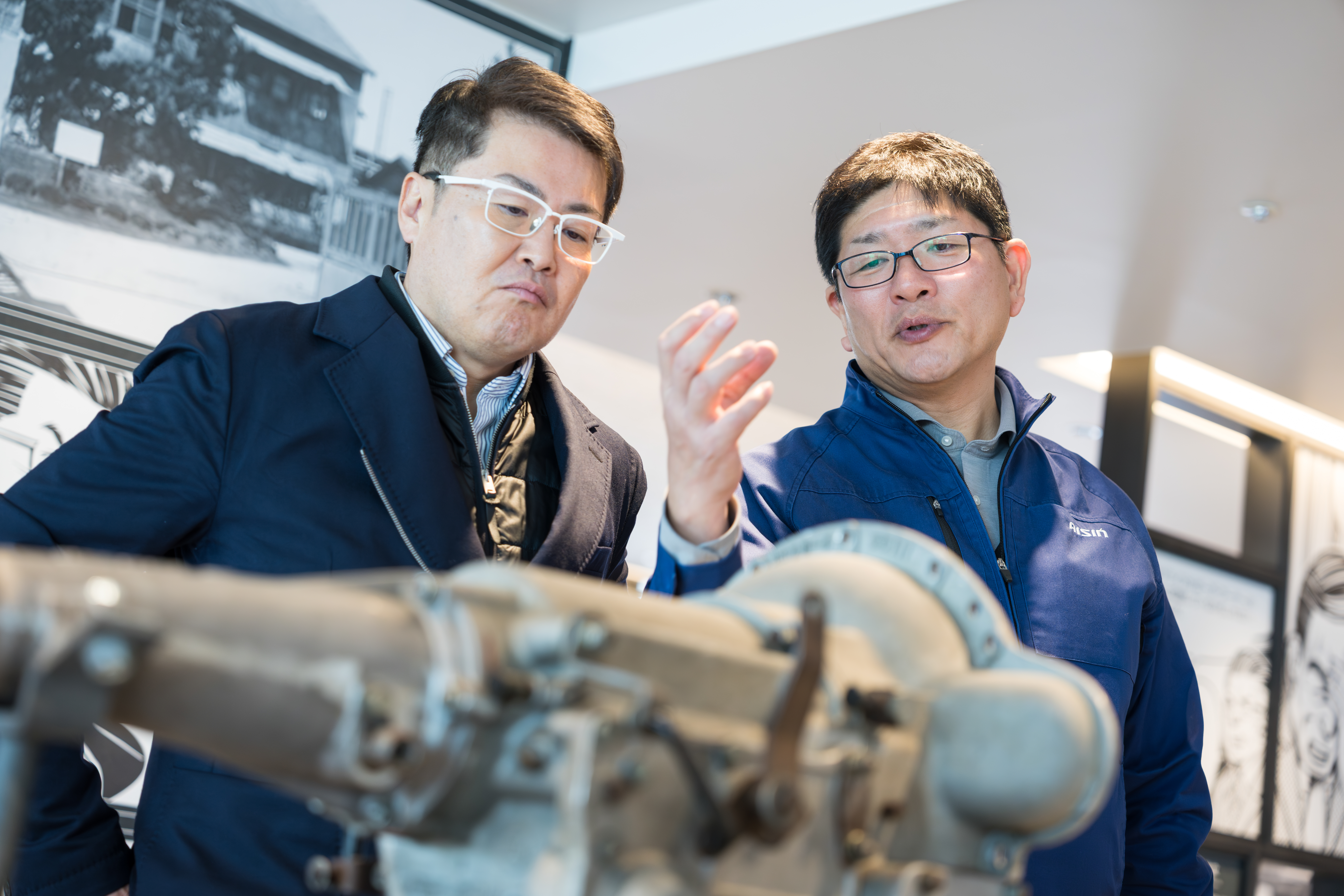
The author listened to the explanations in front of the Toyoglide. The development of the Toyoglide reportedly started when Shoichiro Toyoda, who later became president of Toyota, and Minoru Toyoda, who later became president of AISIN, drove a Chevrolet with an AT, which had already been deployed in the U.S. at that time, and recognized the future potential of the technology.
Subsequently, the development was transferred from Toyota, but a major turning point came in 1969 with the establishment of a joint venture with U.S.-based BorgWarner.
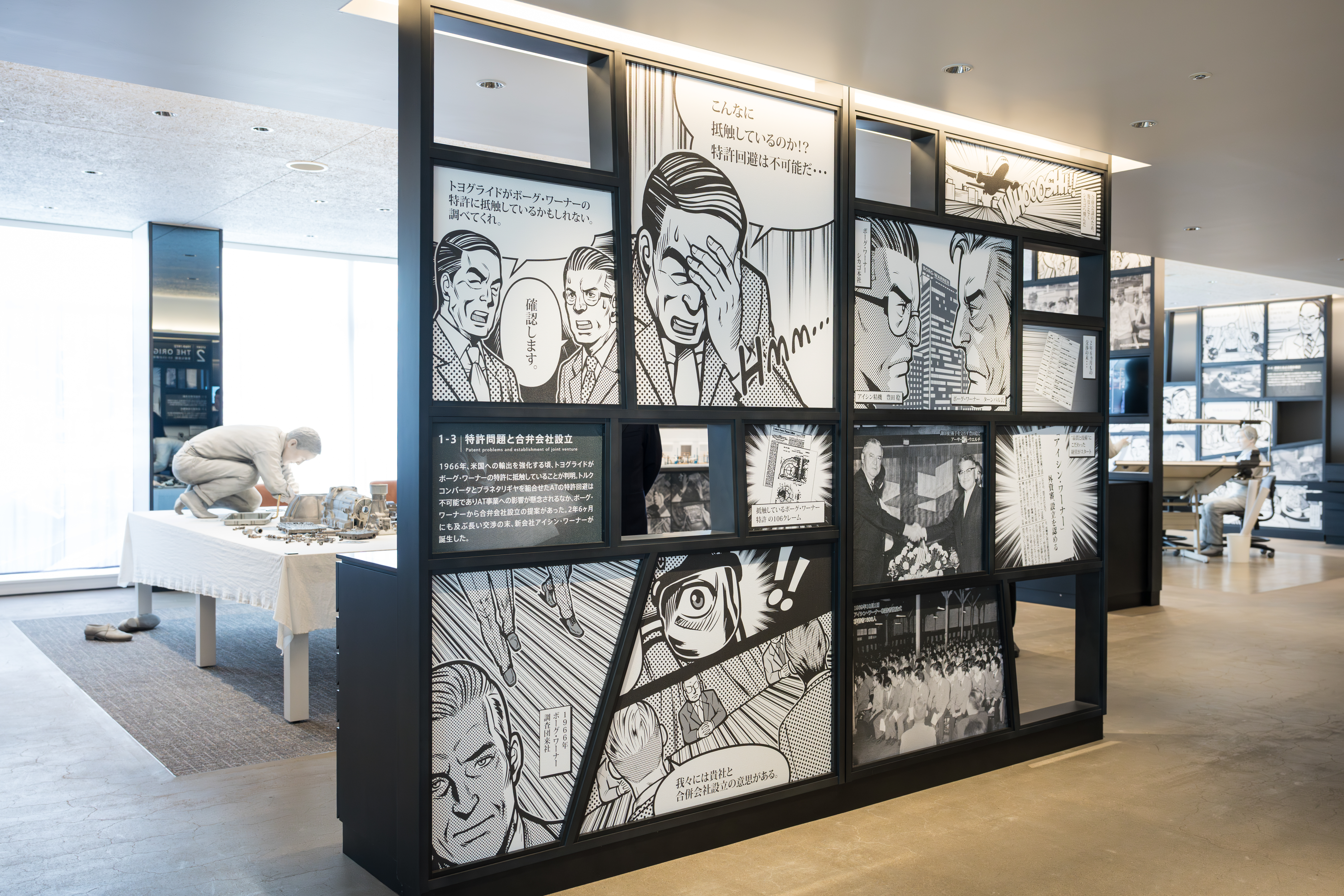
At first, BorgWarner sought an ownership ratio in its favor due to its technological superiority. However, AISIN refused to become a factory that only serves as a subcontractor and demanded equal partnership. They agreed on a 50:50 ratio after multiple rounds of talks.
The biggest obstacle in the development was an extensive portfolio of patents held by BorgWarner. Having judged that it was impossible to develop an AT while avoiding patent infringement, AISIN established AISIN-Warner as a joint venture with BorgWarner, a U.S.-based parts manufacturer, in 1969, with a strong desire to spread ATs.
After the establishment of AISIN-Warner, it was decided to manufacture a next-generation AT, which was designed at a research institute in the U.K., in Japan. However, no information was available from Warner.
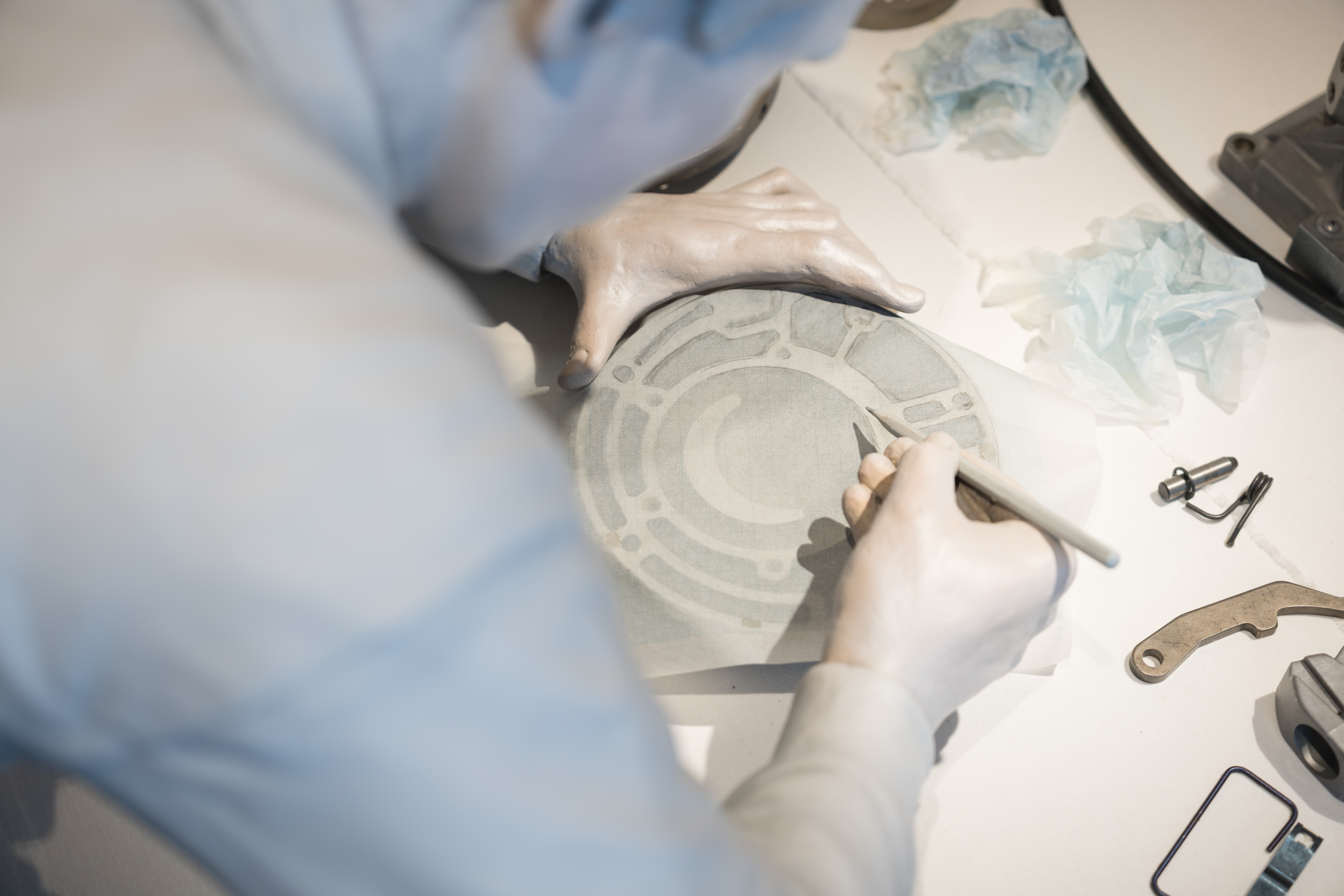
In the U.K., AISIN engineers sketched the parts with dimensions on paper using a pencil. They demonstrated unwavering commitment to establishing AT technology in Japan.
Thus, when AISIN engineers went to the U.K., they traced the outline of each part onto paper using a pencil and measured the dimensions with unwavering commitment and brought back the design data. They were strongly motivated to “make the technology proprietary.” The data proved to be extremely useful in the subsequent in-house AT development.
Never give up! 100% inspection of 2,000 units embodying confidence in quality
In 1972, an in-house designed 3-speed AT was introduced. At that time, Shuzo Moroto, who was an AISIN executive, proposed 100% inspection of 2,000 units. This stemmed from a strong belief that, to lead the first product of the new company to success, it must be launched with flawless quality.
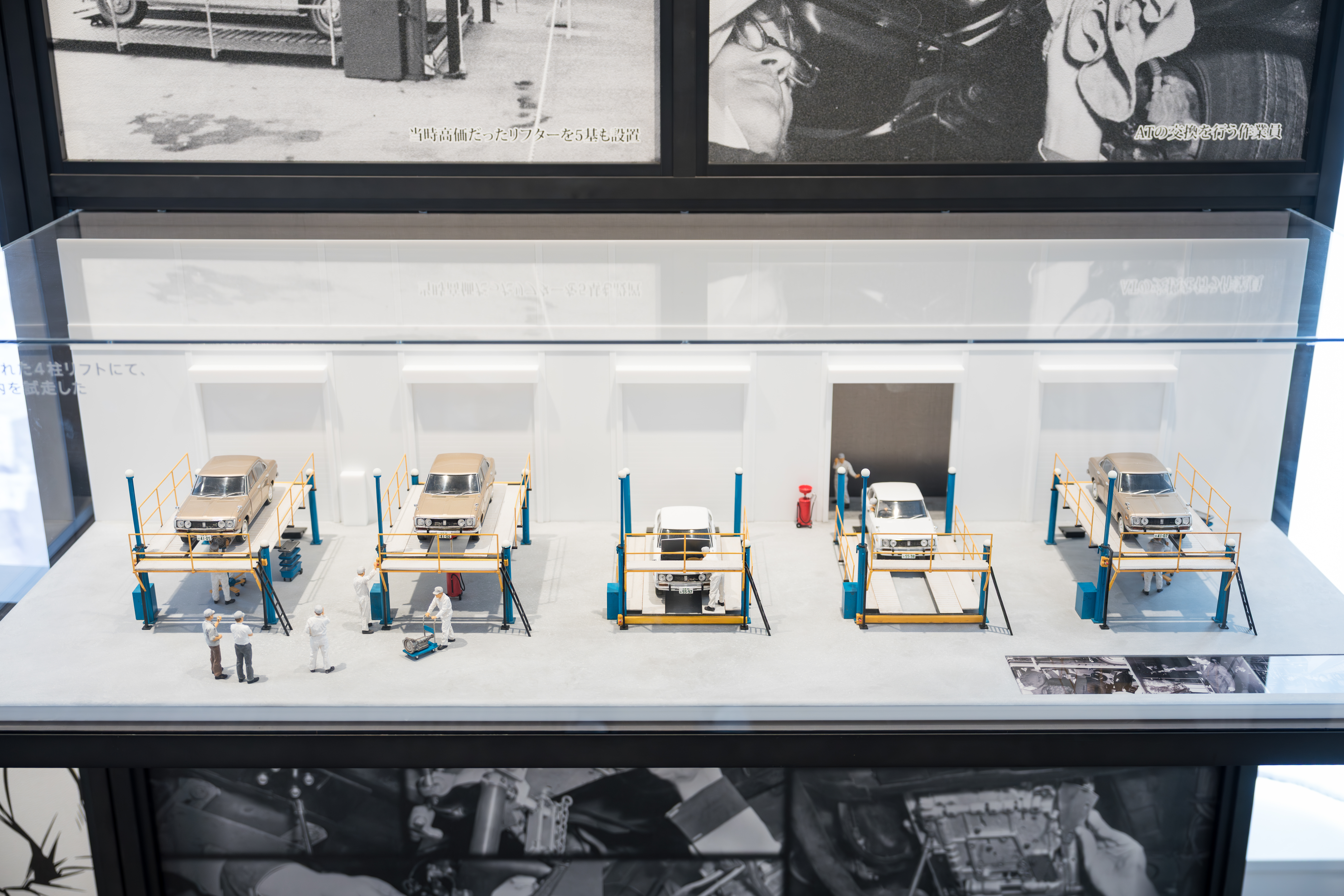
Unprecedented 100% inspection of 2,000 units was conducted in three months to ensure quality assurance.
By accomplishing the inspection, AISIN was recognized for its high quality. It also started to supply products to Volvo. That was the moment when AISIN established its foundation as a global supplier.
Subsequently, ATs evolved to include more gears and electronic controls.
Notably, it was considered difficult to include more gears in front-wheel-drive (FWD) transmissions due to the space limitations.
When the Corolla was converted to FWD, Toyota told AISIN that the Corolla would be equipped with transmissions of only up to three speeds due to the limited space. However, all AISIN engineers, both young and experienced, considered that the Corolla, a global model, deserved a 4-speed AT characterized by high fuel efficiency and quietness and tackled this difficult challenge. They came up with a two-story structure, which is internally known as a countershaft type.
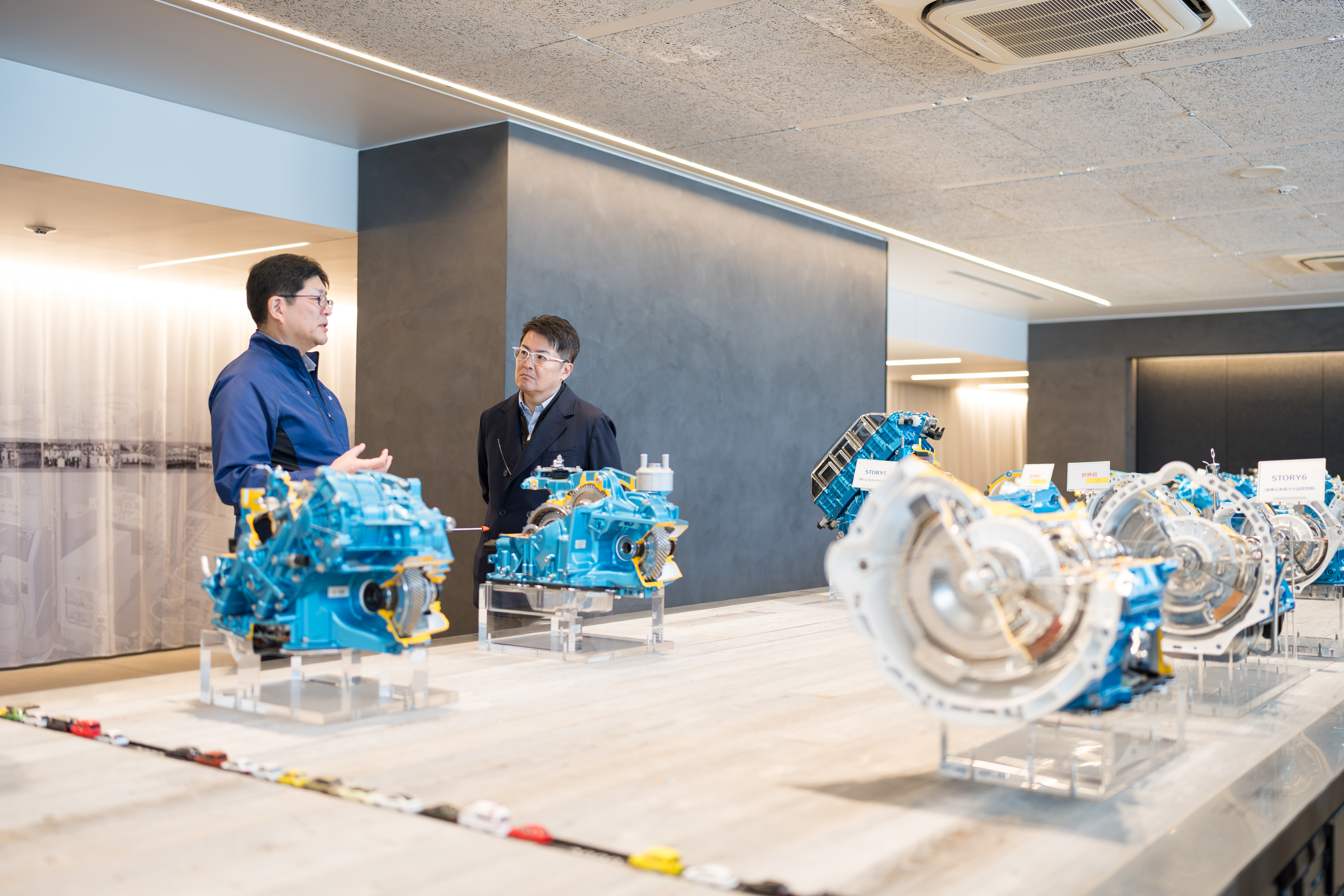
The author listens to explanations in front of cutaway transmission models in AISIN’s museum. The Corolla converted to FWD was expected to be equipped with transmissions of only up to three speeds due to the restricted space. However, AISIN started development because of the need for a 4-speed AT.
This resulted in a dramatic reduction in overall length, making it possible to install a 4-speed AT in the small engine compartment. That was the FWD 4-speed AT (AW-Z), which debuted in 1983.
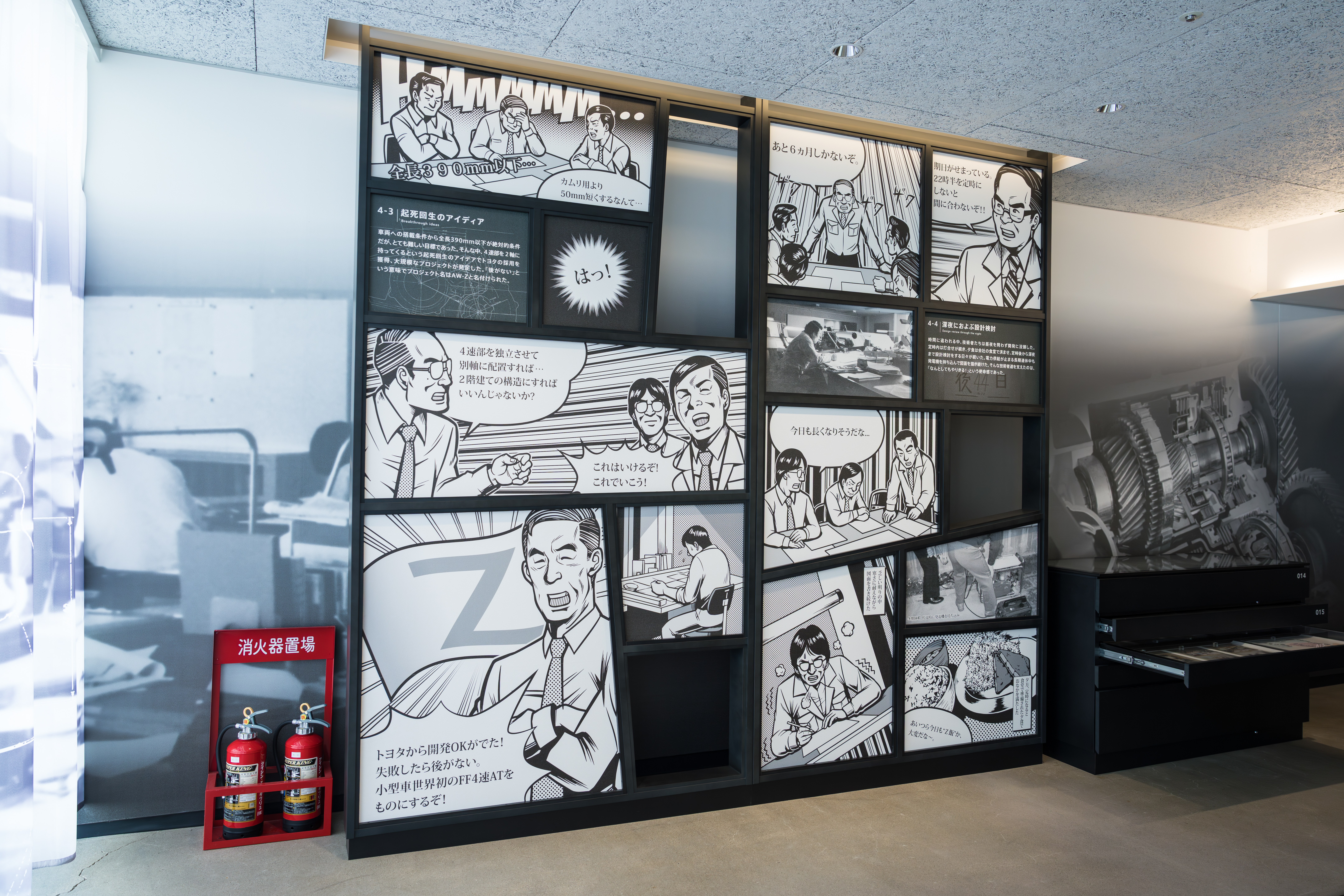
In Project Z, which implied that there was no turning back, both young and experienced engineers took on the challenge to install a 4-speed AT in the global model.
What remarkably talented engineers did in Akihabara, Tokyo, away from the head office
At that time, AISIN made a decision which was inspired by a simple inquisitive mind to find out what would come after ATs. Equos Research was established in Akihabara, Tokyo, in 1985. A handful of engineers with extraordinary abilities were called in, and an open research environment was created.
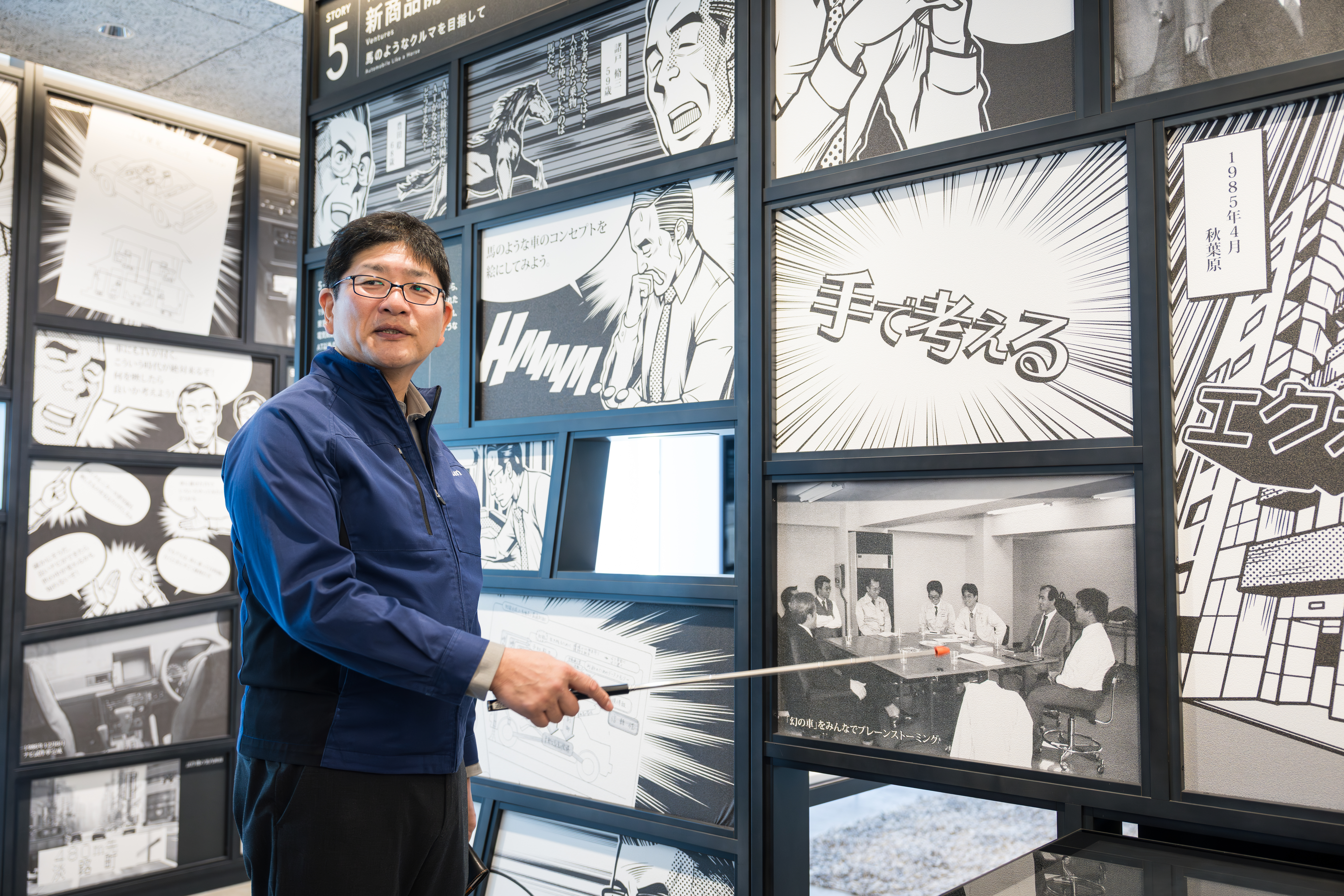
High-caliber engineers, known as the “Seven Samurai”, were drawn from within the company. Open research was conducted in Akihabara based on a vision beyond ATs.
The remarkably talented engineers worked on over 150 research projects to evolve vehicles into horses that can communicate with the driver. The proposal-driven development approach at that time has led to today’s hybrid technology, navigation systems, and excellent driving performance.
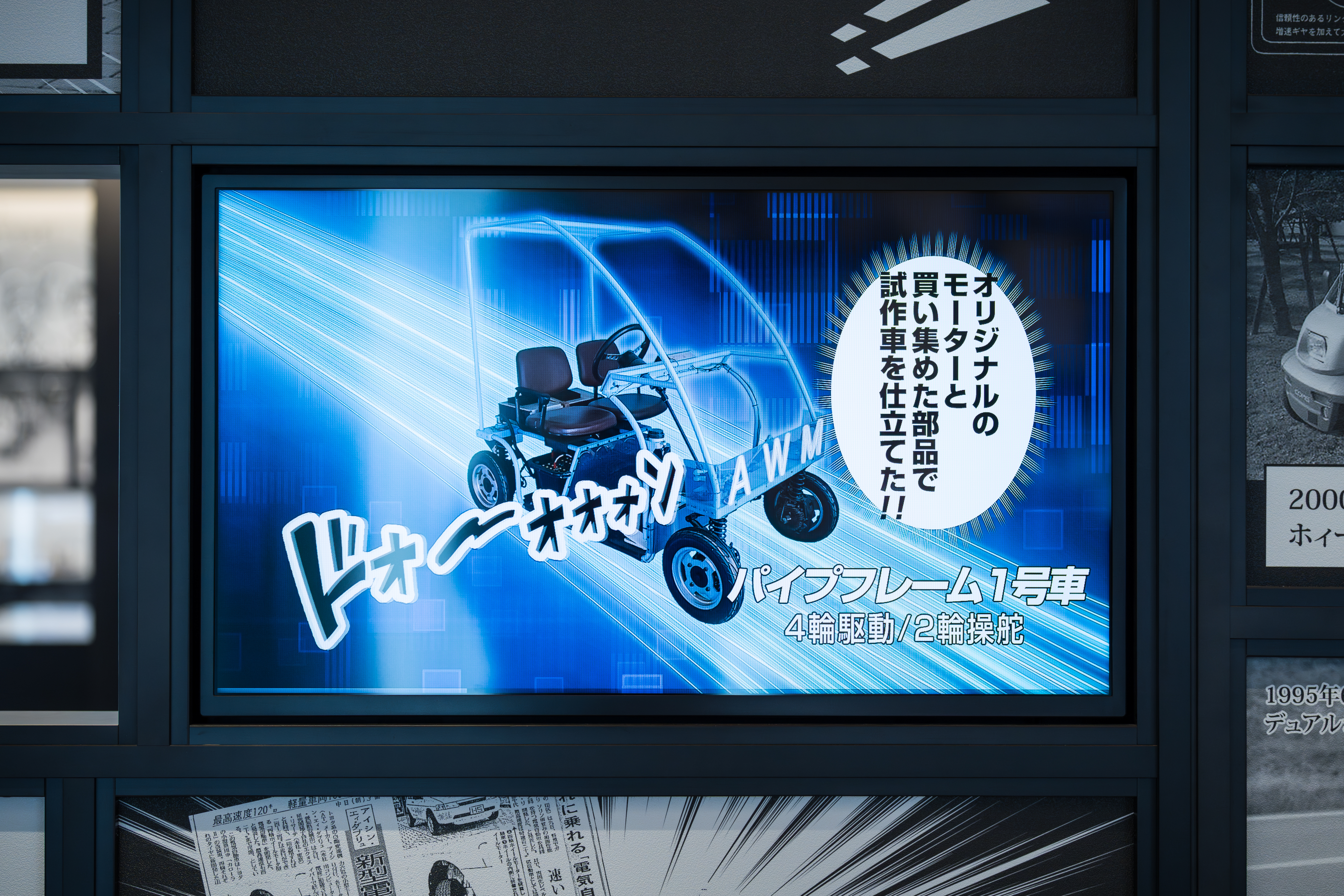
The engineers conducted as many as 150 research projects, chasing the ideal “horse-like vehicles” that can communicate with the driver.
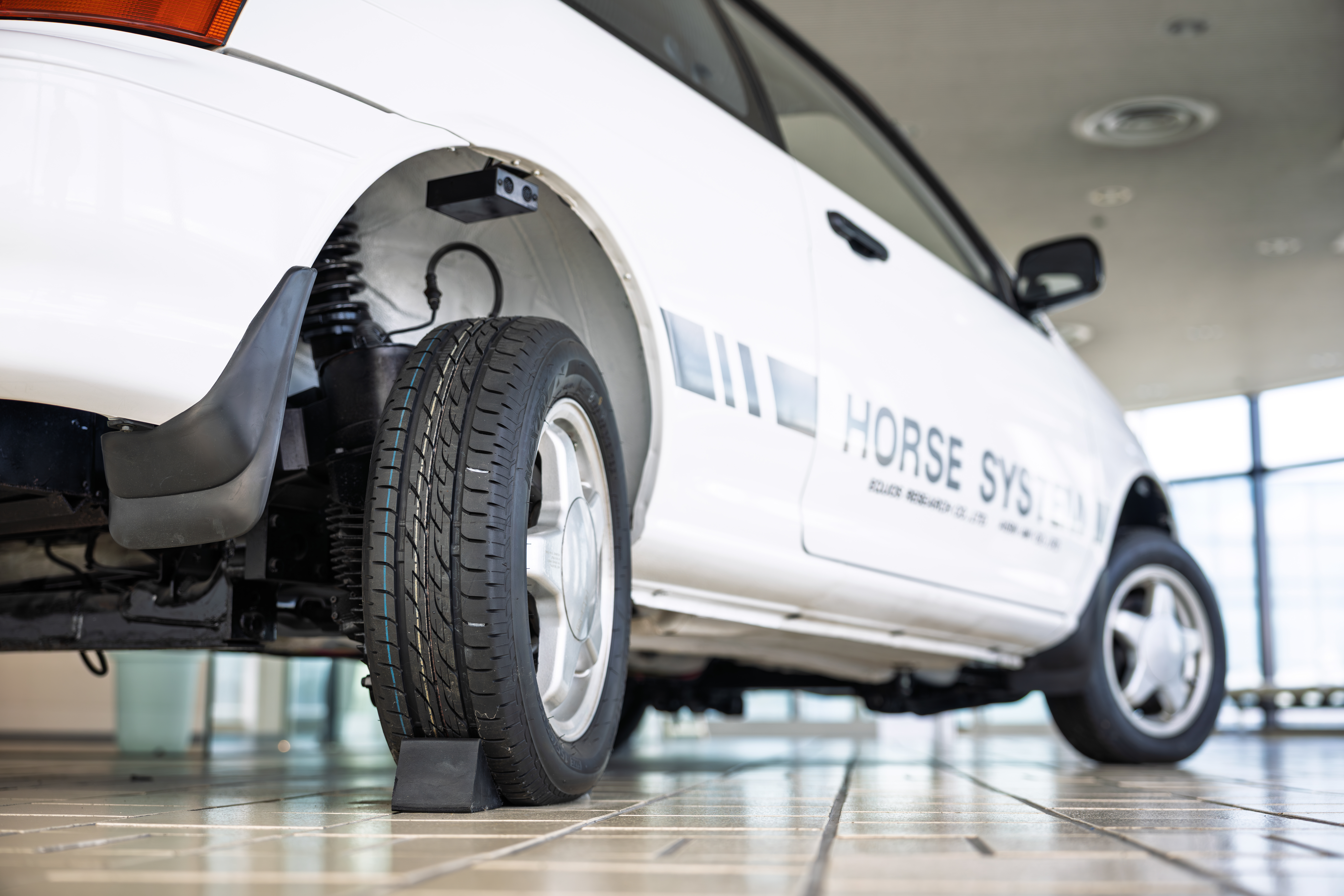
The innovative achievements, including a prototype electric four-wheel-drive car and the HS car with rear-wheel steering, have turned into key technologies that underpin electric powertrain and navigation technologies, which are currently AISIN’s cornerstones.
In the 2000s, AISIN’s products were also adopted by Audi and VW in Europe. A system was established to quickly respond to local needs. AISIN gained trust and established its position as a development partner instead of a mere parts manufacturer.
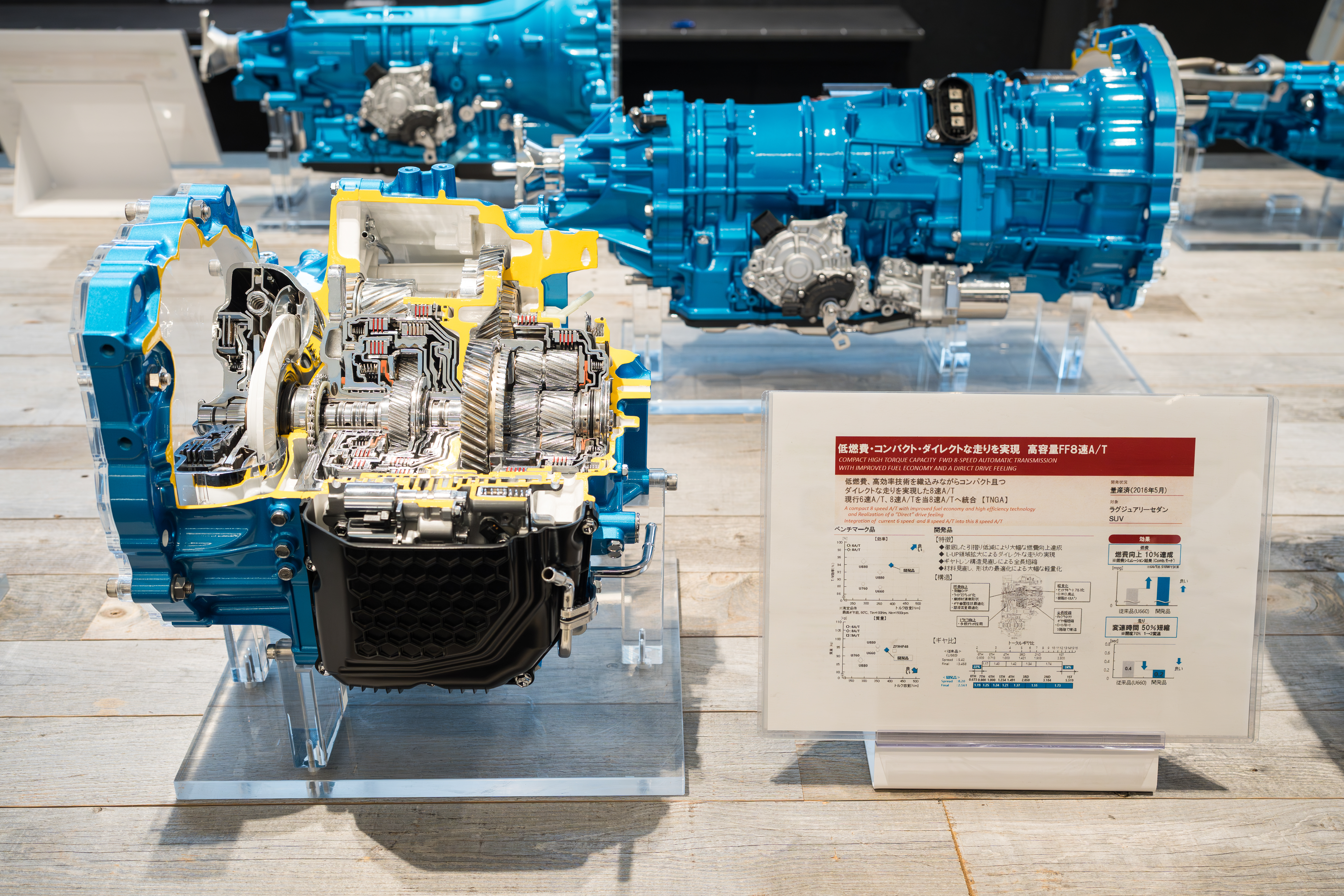
AISIN’s FWD 8-speed DAT (AWF8F), which served as the basis for the GR-DAT. This was the first AT to embody the TNGA concept. Debuting in 2016, it achieved significant reduction in weight and size. It served as the base model of the GR-DAT, which has improved the basic AT performance in all aspects, including a wide gear ratio range, low friction, and a direct feel.
It was upgraded to an 8-speed transmission in 2012 and evolved into an advanced AT aligned with Toyota’s new car manufacturing platform (TNGA) in 2016. Technology in pursuit of both a direct driving feel and downsizing has led to the GR-DAT, which makes driving fun for me.
Share this article