

Small Team, Big Impact: Breakthrough Cooling Plate Advances EV Battery Performance and Safety
Jun.12, 2026
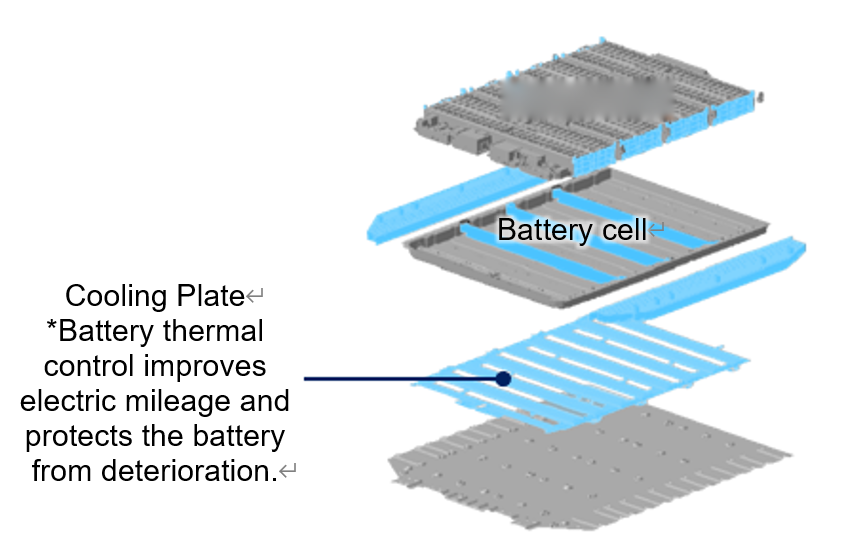
Behind every leap forward in electrification is a team solving complex challenges with precision and purpose. As the global shift toward electric vehicles accelerates, battery performance and safety remain at the forefront—and both depend on one critical factor: temperature control. Developed by a close-knit, highly collaborative team, this next-generation cooling plate plays a vital role in regulating battery temperature by circulating coolant to dissipate heat or provide warmth in colder conditions. The result is a smarter thermal management solution that helps enhance performance, extend battery life, and ensures safe, reliable operation.
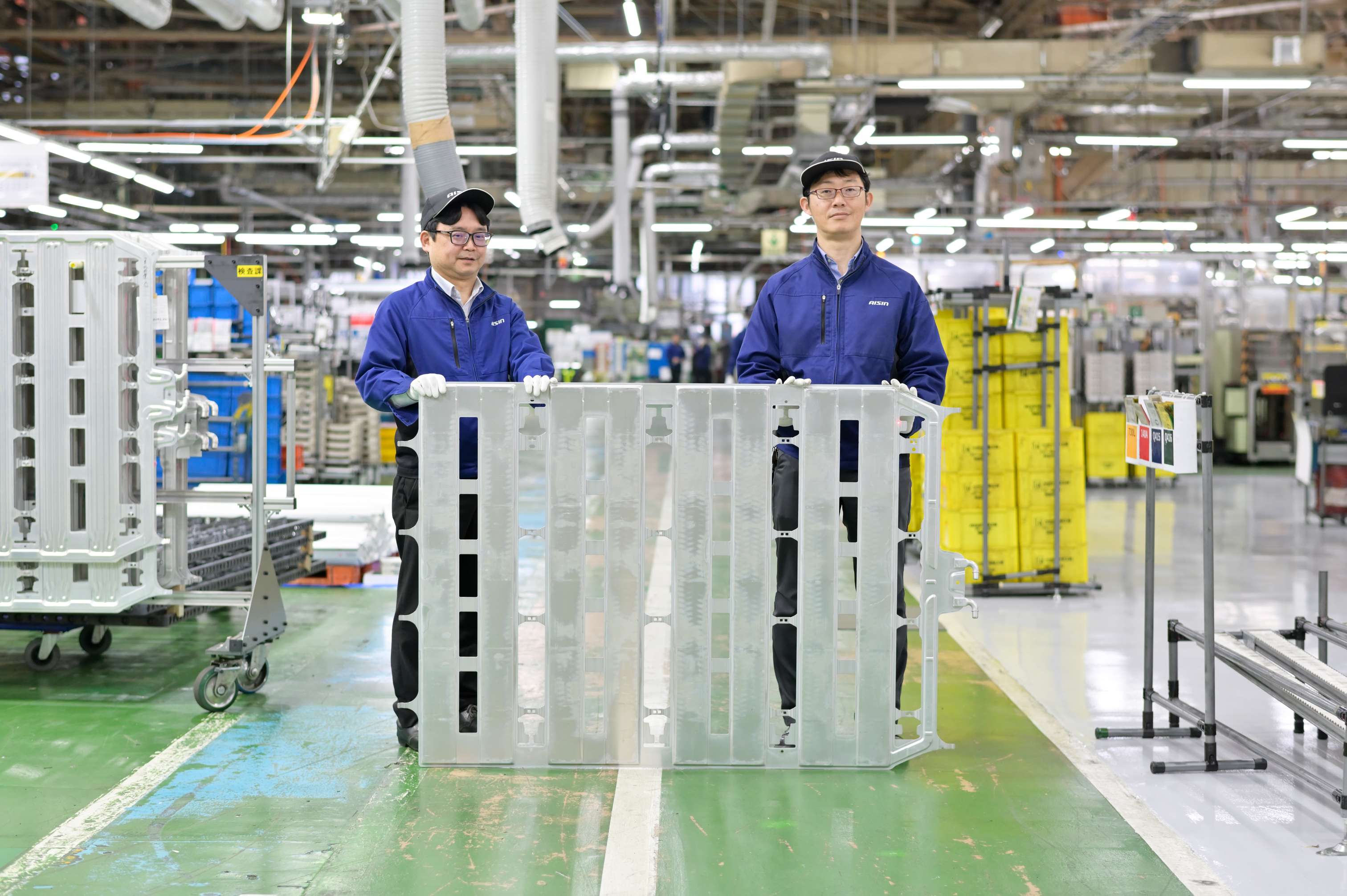
This article focuses on the development of AISIN’s first cooling plate for battery thermal control. It uncovers the behind-the-scenes story of the development team, which took on the challenge to develop the industry-first technology and overcame numerous difficulties to achieve mass production.
A challenging project that created opportunity
The newly developed cooling plate is a thermal control component made from two stacked aluminum plates that are brazed together. A precisely engineered flow path between the plates allows coolant to circulate efficiently, regulating battery temperature.
As AISIN’s first battery cooler for battery electric vehicles (BEVs), the project introduced significant technical challenges. Both aluminum brazing and large-scale aluminum stamping presented unprecedent obstacles within the company (which also became new capabilities) requiring the team to build expertise from the ground up.
Development began in 2018 with testing of various manufacturing methods, followed by full-scale development in 2022. Establishing the necessary technology and expertise to a high standard was no small task. However, the team recognized that the experience gained would become a valuable asset for AISIN’s future electrification efforts.
To meet these challenges, AISIN adopted a new, more integrated development approach. The engineering office and quality control teams at the plant—typically involved during production preparation—joined the project from the earliest stages. By bringing together design, production engineering, plant operations and quality teams from the outset, AISIN created a highly coordinated system capable of accelerating development and ensuring quality.
This collaborative effort marked the beginning of AISIN’s first cooling plate—and a new foundation for future innovation.
Restarting from a crisis
Development appeared to be progressing steadily, and the team achieved partial success with a 1/20-scale model. However, they were unable to produce a full-scale (1/1) pre-production prototype free of coolant leakage by the delivery deadline. The primary challenge stemmed from the introduction of aluminum brazing, a process new to the team.
Missing the initial deadline was a significant setback—and a turning point. Project Leader Akihito Hongoya recalls the moment:
“We restructured the system by placing an executive at the top. To ensure reliable technology and quality, all members agreed to introduce a mass production line and refine the product from scratch.”
This decision marked the start of a two-year effort to rebuild the product—advancing both its design and quality to meet the demands of real-world applications.
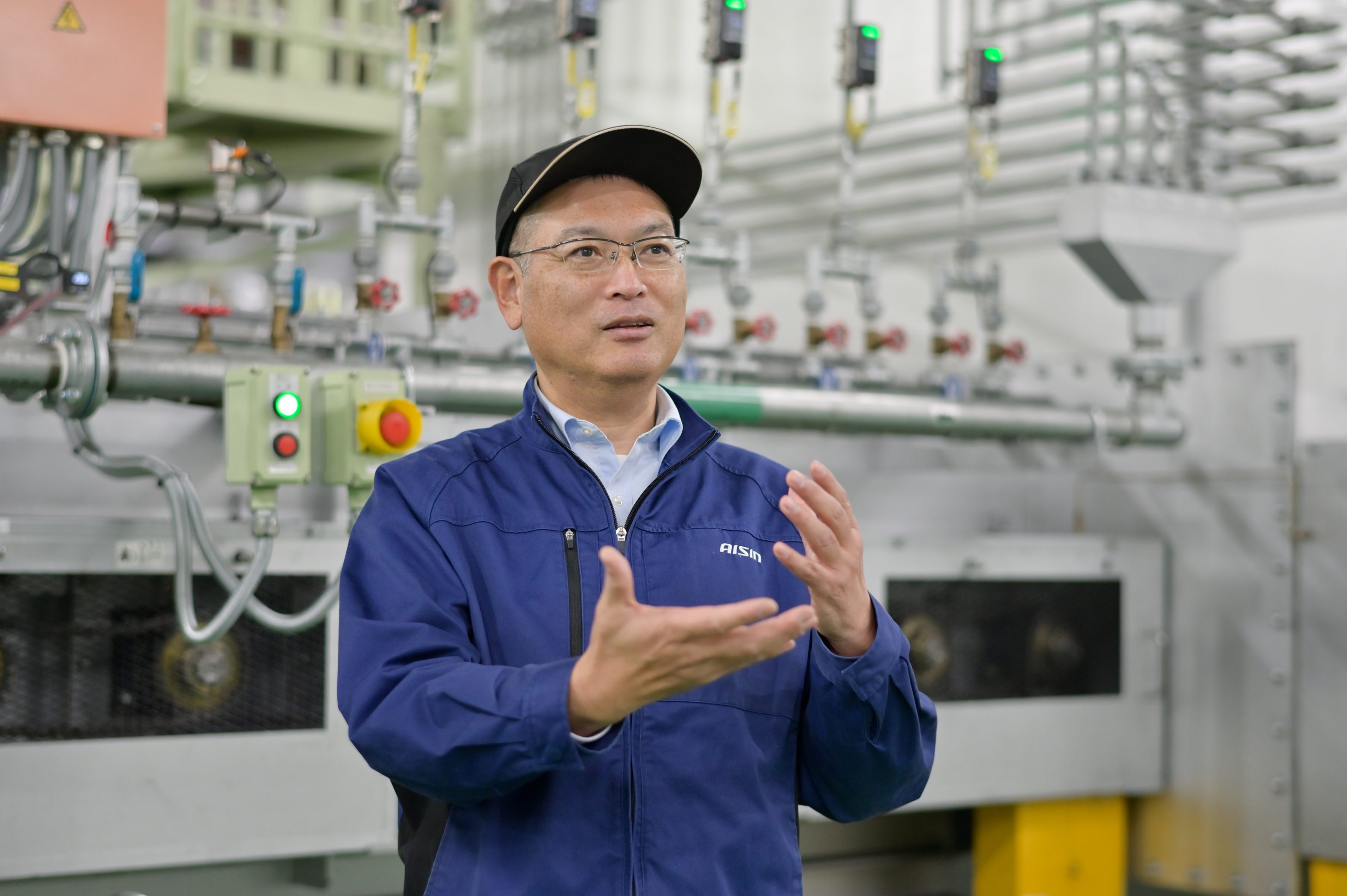
Akihito Hongoya, Project Leader in charge of design
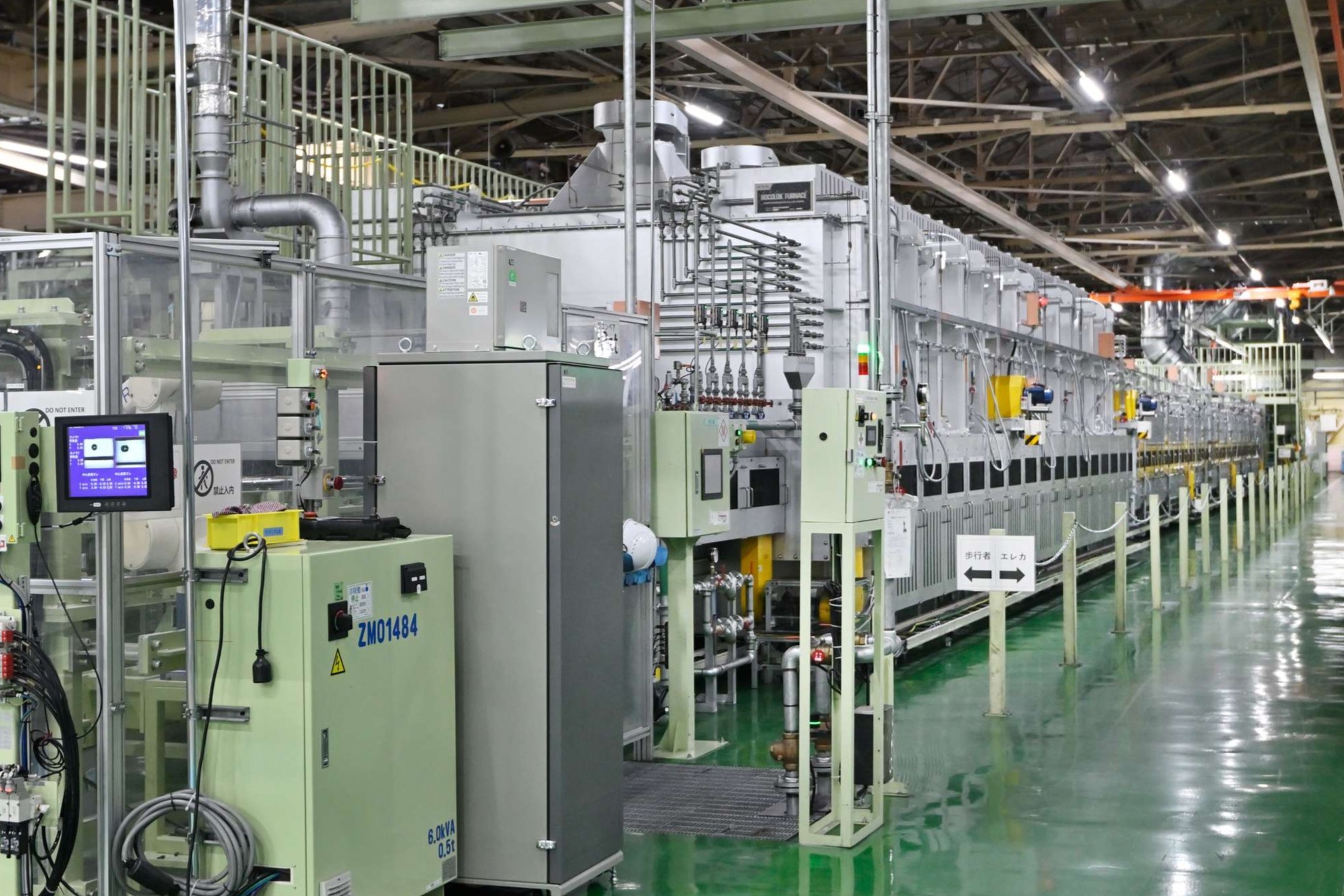
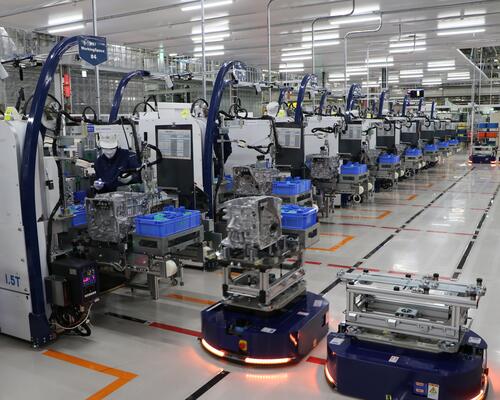
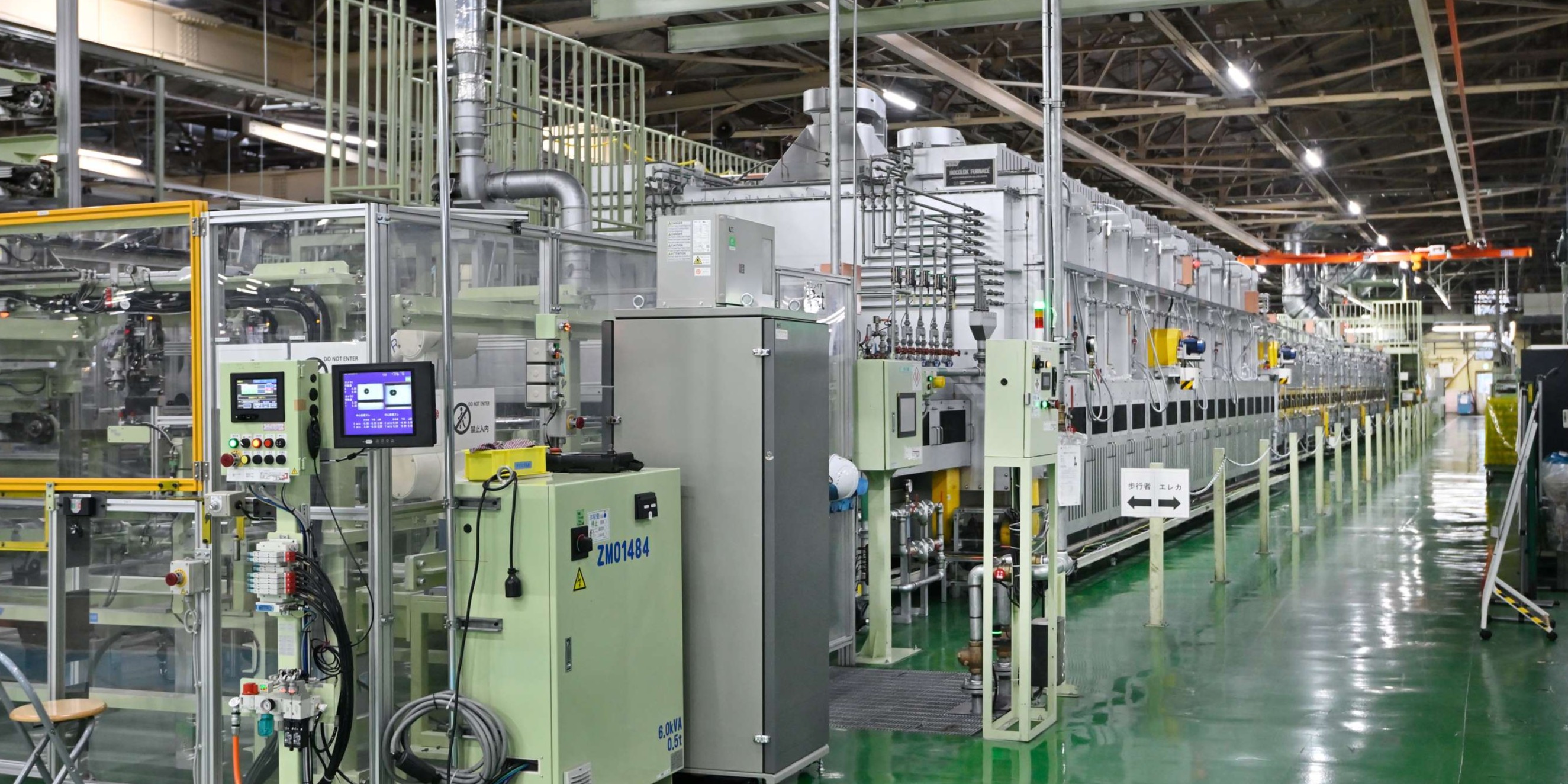
The cooling plate production line. The continuous furnace features a pre-heating chamber, heating chamber, and cooling chamber.
The biggest challenge: aluminum brazing
Fabricating the cooling plate’s main unit requires large-scale aluminum brazing—joining two aluminum plates, creating an internal coolant flow path and ensuring complete airtightness. Drawing on expertise from another group company that was experienced in copper brazing of steel, the team produced multiple prototypes and eventually achieved a leak-free design.
But that milestone revealed a deeper challenge: consistency.
“At that point, we had not yet identified the key success factors,” recalls Sub-Leader Takashi Hara. “Ensuring reproducibility was extremely difficult.”
Takashi Hara, Sub-leader, reflects on that time.
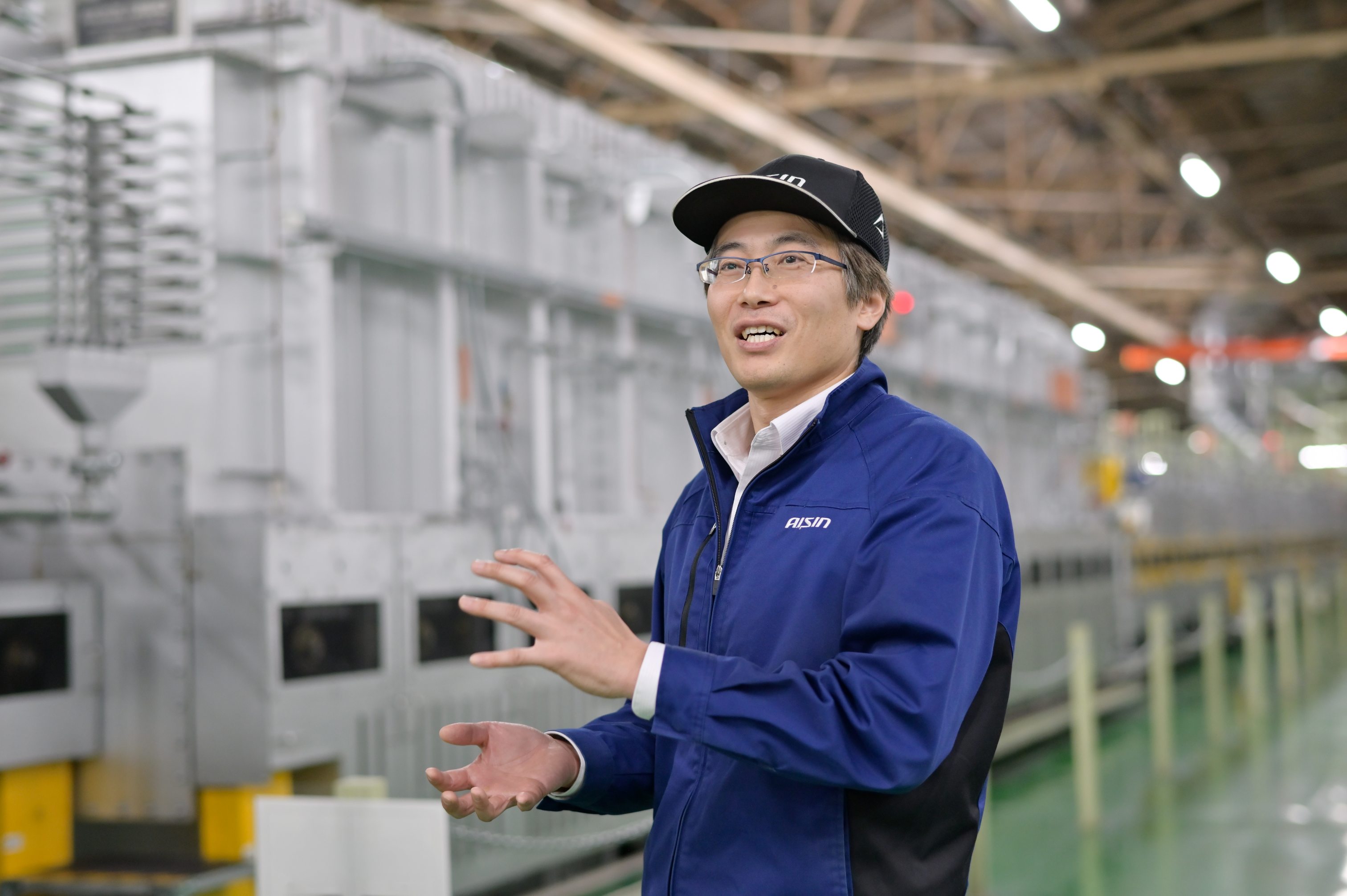
Takashi Hara, Sub-leader in charge of production engineering
In aluminum brazing, workpieces are heated to approximately 600°C in a furnace and then cooled. A 1.5-meter aluminum component can expand by about 3 centimeters during heating before contracting again as it cools. Yet the final product requires precision within fractions of a millimeter. This made deformation during heating and cooling a critical issue, directly impacting dimensional accuracy.
Compounding the challenge, the interior of the furnace cannot be observed during processing. To overcome this, the team conducted extensive testing of heating and cooling patterns to identify optimal conditions. They also leveraged computer simulations to predict how the workpiece would deform inside the furnace. In parallel, they studied jig configurations used to secure the components and investigated otherwise unobservable in-furnace behavior. Through this rigorous process, the team ultimately stabilized brazing quality.
Another challenge: large aluminum stamping
At the same time, the team faced cracking defects in the large aluminum stamping process.
Until then, AISIN’s in-house stamping had focused primarily on palm-sized components. Producing large aluminum parts represented an entirely new challenge. The team partnered with a new supplier and conducted on-site trials for each iteration, working closely together to refine the process.
Kenji Kishimoto, a stamping specialist, reflects:
“We visited the supplier for every test and refined the workpiece by sharing ideas. It was a constant struggle. But through repeated trial and error, we were able to establish the forming conditions while analyzing the properties of the aluminum material—and ultimately resolve the cracking issue.”
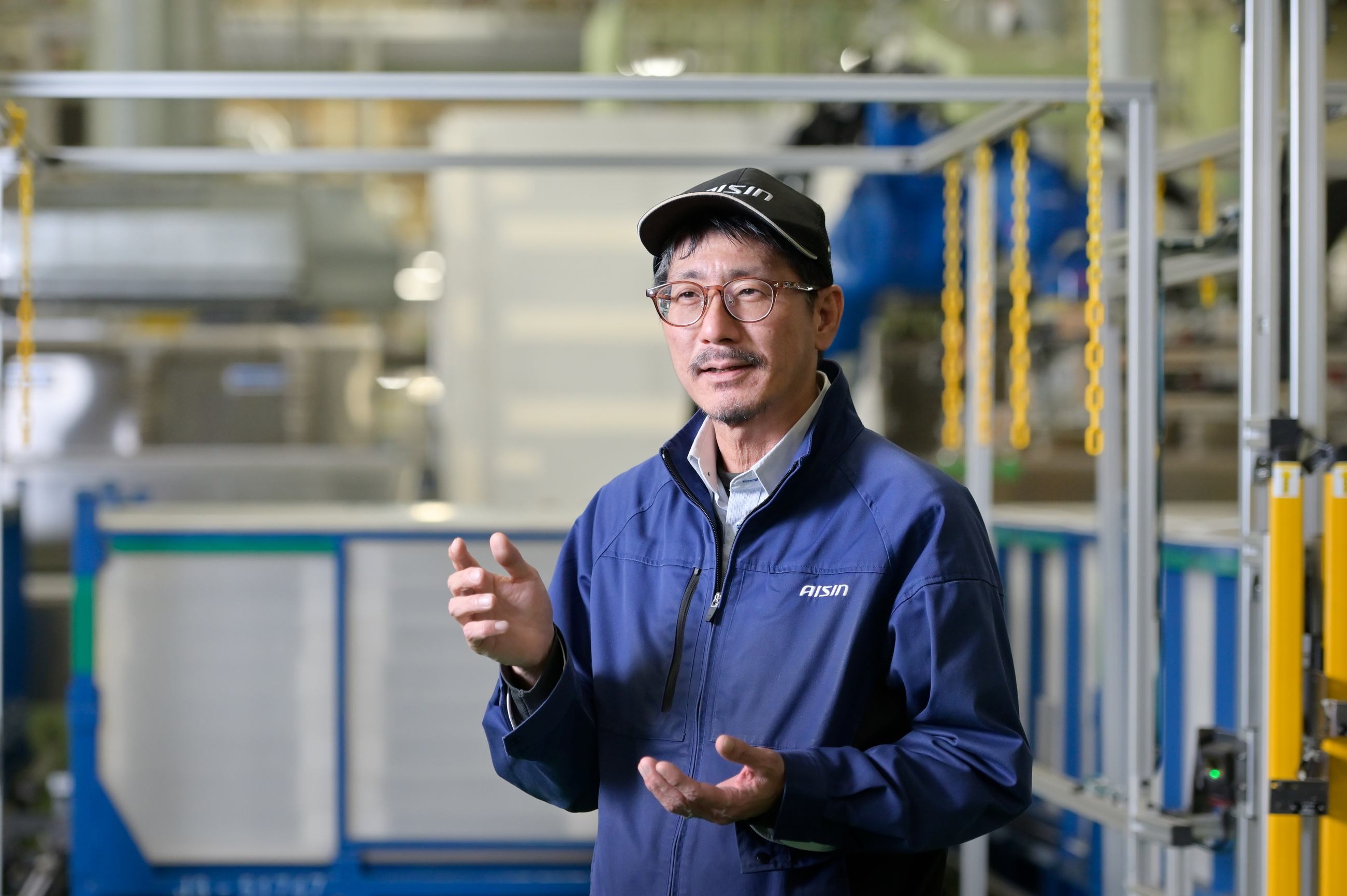
Kenji Kishimoto, in charge of stamping
The team also faced another “start from scratch” challenge: stabilizing the mass production line while ensuring consistent quality. Plant engineers were stationed directly on the production line to identify issues and improve operational efficiency. More than 1,000 issues were uncovered, and the team worked methodically to address each one.
To strengthen quality assurance, new inspection technologies were introduced. Systems were implemented to verify non-visible quality, including helium leak testing to ensure airtightness of the coolant flow path and ultrasonic inspection to detect brazing defects.
Development completed by a close-knit team
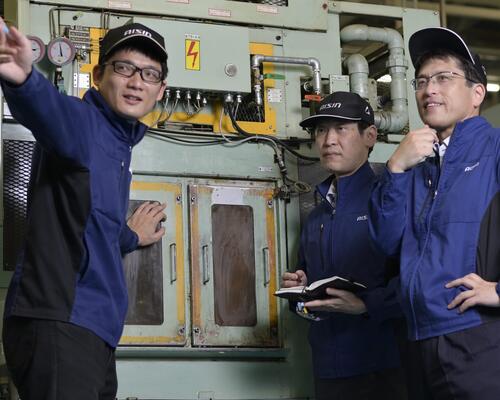
This project was defined by a highly collaborative approach that crossed organizational boundaries. Each day, team members from design, production engineering, plant operations, and quality gathered in the same room to review challenges and align on solutions.
Strong internal support also played a key role. As Project Leader Akihito Hongoya recalls:
“The executive created an environment where it was easy to point out unfinished items without placing blame. We addressed them together as a team.”
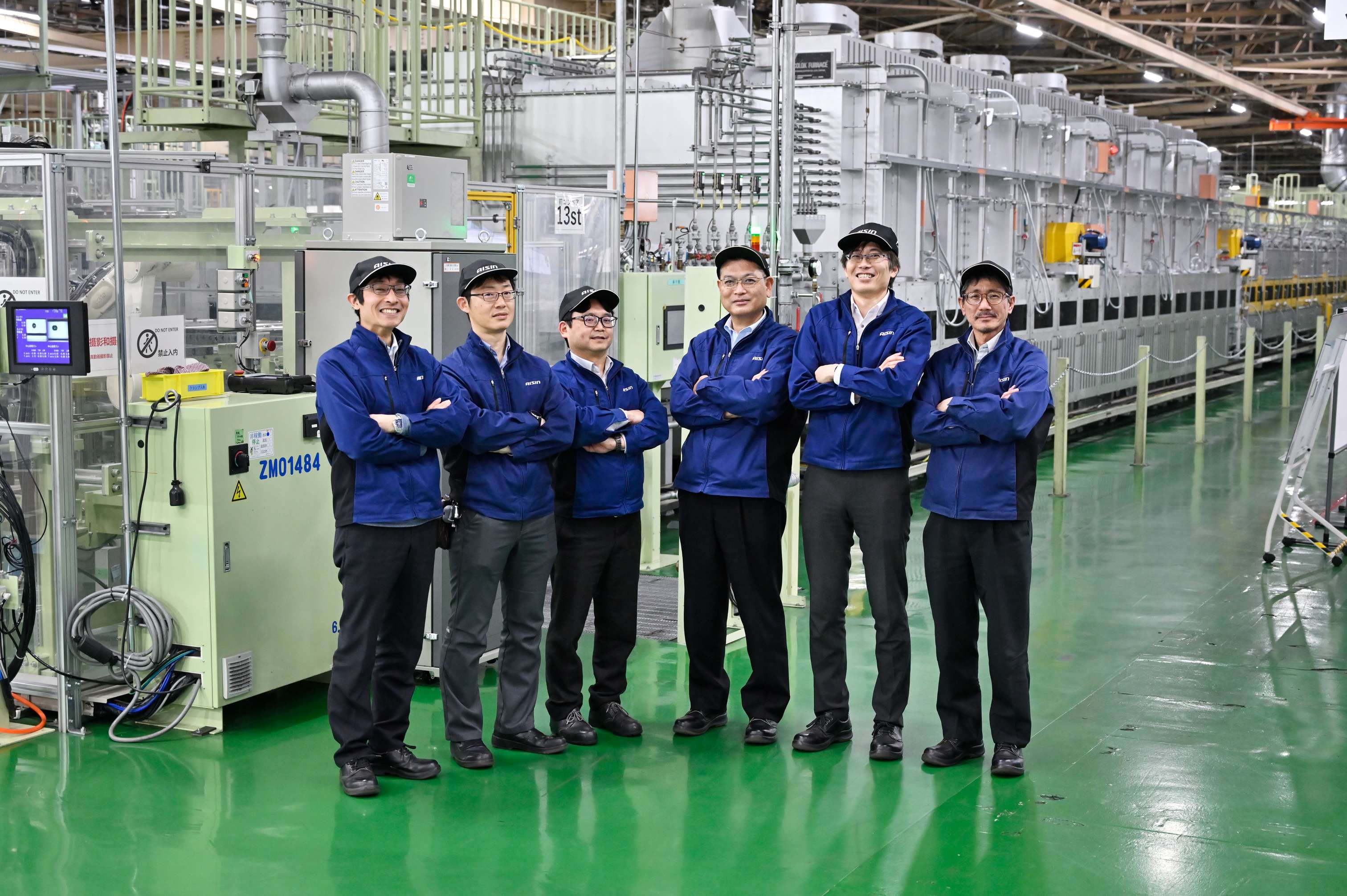
When challenges arose, our executive and general manager joined meetings directly with the customer. This built a truly collaborative partnership—and with the customer's strong support of AISIN, our team members stayed focused on problem solving.
“Organizational barriers were cleared at the start,” added Hara. “This was another key strength of the project. When additional personnel were required, our supervisor contacted the respective departments. Requests to identify employees with specific expertise were immediately circulated, including group companies. In fact, we received support from many people, such as section chiefs or equivalents and staff members.”
Toward development of new electrification products
The completed cooling plate for battery thermal control was brought to market in 2025, marking a significant milestone for AISIN.
Through this project, AISIN advanced its capabilities in large-aluminum brazing and enhanced its use of computer simulation to analyze product behavior in the furnace. The team also established robust measurement and inspection technologies to ensure mass-production-level quality. These newly technologies will serve as a foundation for future innovation, supporting the development of next-generation battery-related products and advanced aluminum components.
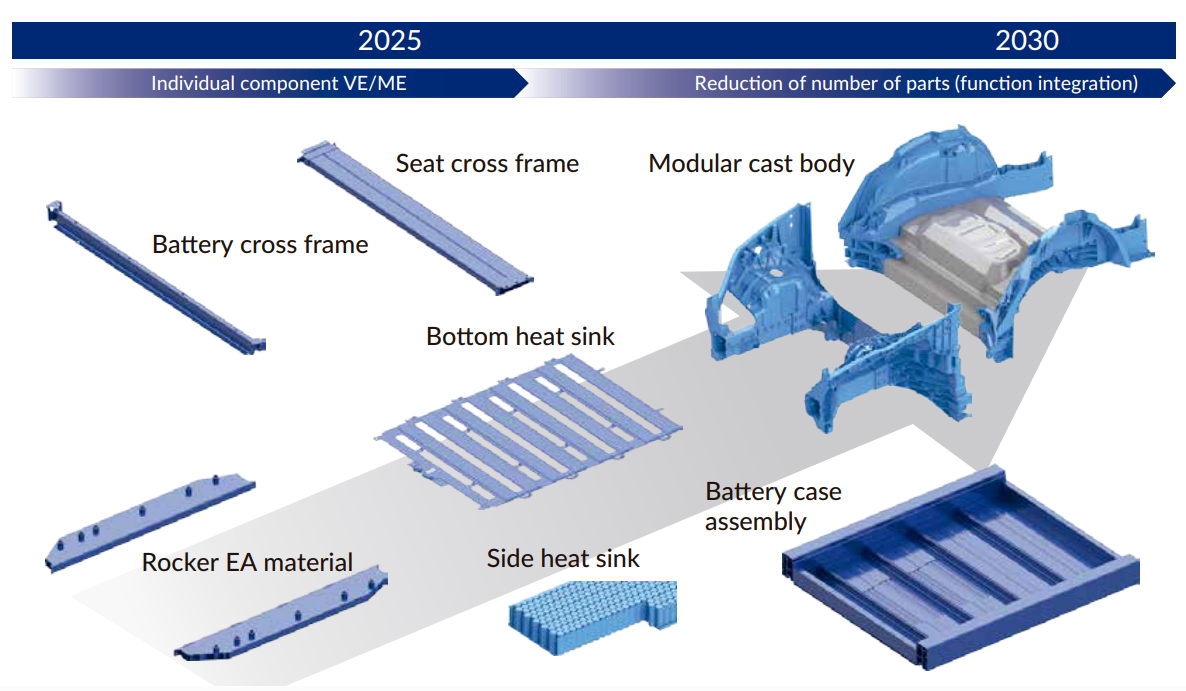
Hongoya explained the next goal:
“This development project was meant to strengthen our competitiveness, but it ultimately became something much greater. We gained invaluable insights and a deep sense of accomplishment. Despite limited initial knowledge, each team member embraced the challenge—sharing ideas, learning quickly, and conducting repeated verification tests to find solutions. Through the process, we not only advanced our technology, we also grew stronger as a team. The trust and connections we built will carry us forward. Looking ahead, we are eager to take on new challenges, including the development of electrification products such as batter frames.”
The technologies and experience gained from developing AISIN’s first cooling plate are more than a milestone—they are a springboard to the future. As electrification accelerates, this foundation will help drive the creation of next-generation products and power AISIN’s continued innovation in a rapidly evolving world.
Share this article